What Makes Thin Crust Popular at a Pizza Restaurant

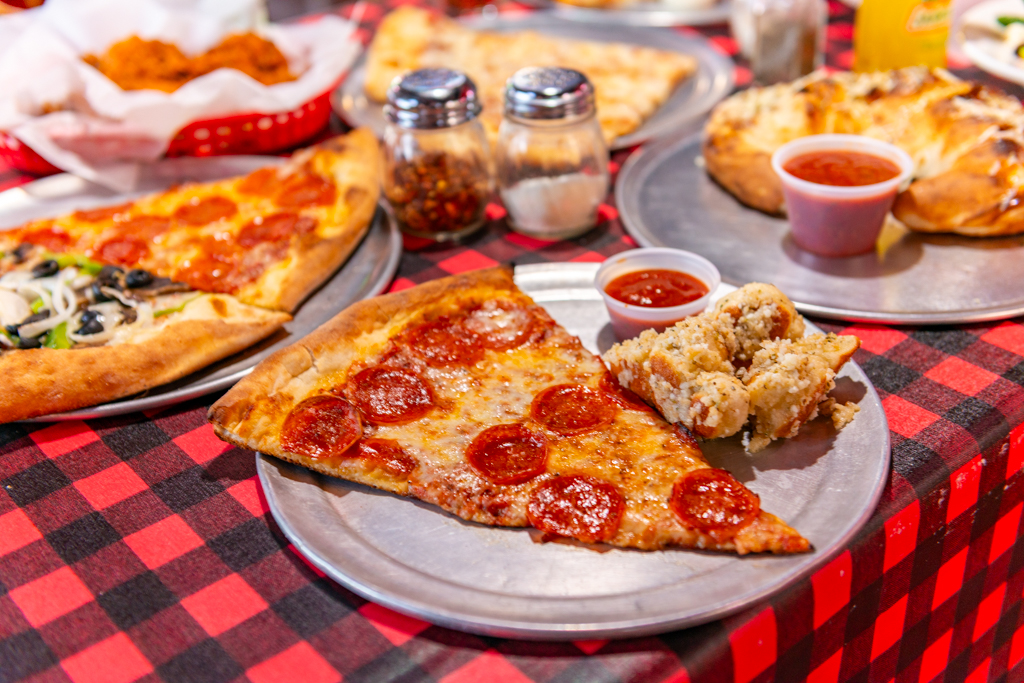
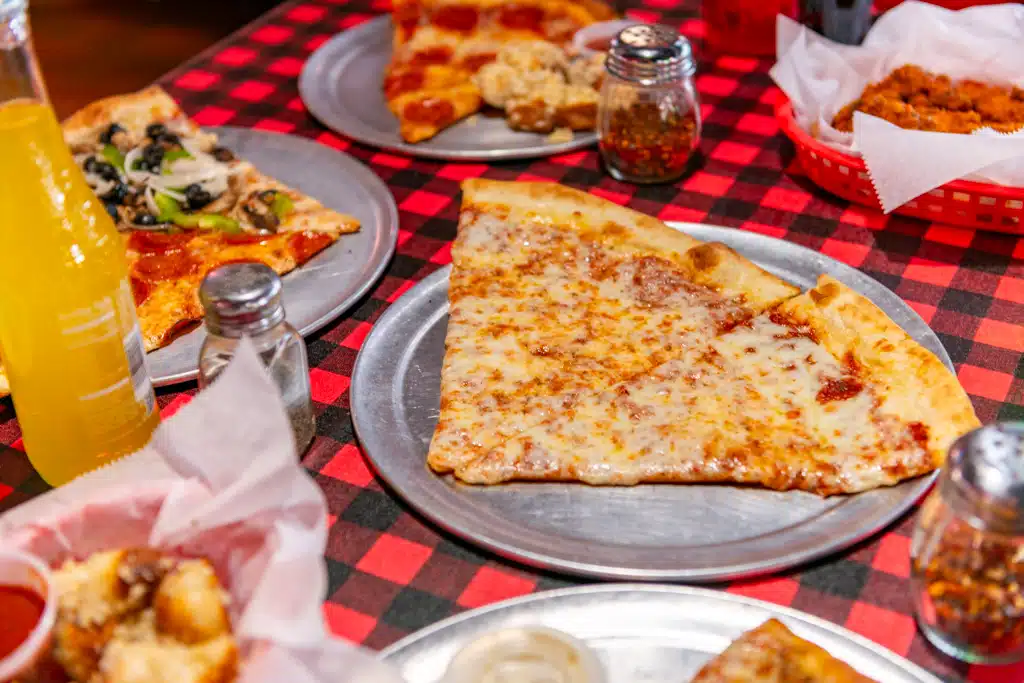
Thin crust has a way of winning people over quickly. One bite tells the story. The base is crisp, the toppings stay in balance, and the whole slice feels lighter on the table and in the hand. At a busy pizza restaurant, that combination matters more than many customers realize. Popularity is not just about taste in the abstract. It is shaped by texture, speed, consistency, menu economics, and the way people actually like to eat when they go out with friends, coworkers, or family.
Anyone who has spent time around a professional pizza kitchen sees the pattern. Thin crust often appeals to the broadest mix of diners because it solves several problems at once. It gives a strong contrast between crunch and melted cheese. It supports toppings without turning into a fork-and-knife project. It bakes faster. It also makes it easier for guests to sample more than one style or share across the table without feeling weighed down after two slices.
That does not mean thick crust has no place. It absolutely does, and in the right setting it can be the star. But when a pizza restaurant wants a dependable crowd-pleaser, thin crust often has the edge. Its popularity comes from a collection of small advantages that add up in a very practical way.
Texture is the first thing people notice
Most diners talk about flavor first, but texture usually decides whether a slice feels satisfying. Thin crust delivers immediate structure. There is a gentle crackle when the slice is folded or bitten. The outer rim has some chew, but not so much that it dominates the experience. That crisp foundation gives the toppings a clean stage.
A thicker crust can be comforting, especially when it is well fermented and baked with care. Still, it asks more of the eater. There is more bread to work through, more moisture to manage, and a narrower margin for error. If the center is even slightly underbaked, the whole slice can feel heavy. With thin crust, the path to balance is often more direct. A good pie lands with contrast: crisp underside, tender interior, bubbling cheese, bright sauce, and toppings that still taste like themselves.
This is one reason thin crust tends to travel so well across different topping combinations. A simple margherita works. So does a pie with sausage, onions, and peppers. So does a white pizza with mushrooms and garlic. The crust does not compete for attention. It frames the rest of the ingredients.
At many places, regulars describe thin crust with words like clean, crisp, and easier to finish. Those descriptions sound casual, but they point to something important. Diners are responding to structure. When structure is right, everything else reads more clearly.
Thin crust keeps the pizza in proportion
One of the hardest things for any pizza restaurant to get right is proportion. Sauce, cheese, toppings, and dough each need enough presence to matter, but not so much that one element flattens the rest. Thin crust helps that equation.
A thick base naturally shifts the ratio toward bread. For some guests, that is the appeal. They want a hearty, bakery-like bite. Thin crust pushes the ratio in another direction. It gives more visual and flavor space to the sauce and toppings. That matters in a dining room where customers may be choosing from specialty pies loaded with vegetables, cured meats, fresh herbs, or premium cheeses.
Think about a pizza topped with roasted peppers, ricotta, basil, and hot honey. On a heavy crust, the details can blur. On a thin crust, each part has room to register. The sweetness of the peppers, the creamy richness of the ricotta, the lift from the basil, and the sharp finish of the honey all come through without being buried under excess dough.
This balance also shapes how full people feel. With thin crust, a guest can eat two or three slices and still feel comfortable. That sounds like a small point, but it has a real effect on popularity. Diners often prefer foods that leave them satisfied rather than stuffed. If a meal feels enjoyable during service and comfortable afterward, they are more likely to order it again.
The crisp base supports modern dining habits
The way people eat pizza has changed over the years. Sharing is more common. So is ordering multiple pies for the table. At lunch, office groups often want something fast, easy to divide, and easy to eat while talking. At dinner, couples may split an appetizer, share a pizza, and save room for dessert. Thin crust fits these habits well.
A crisp, lighter pie is easy to cut into smaller slices without the center sagging too much. It is easier to pick up. It is easier to pass around. It is easier to sample alongside salads, wings, roasted vegetables, or antipasti. In a pizza restaurant that serves a broad menu, that flexibility is a serious advantage.
There is also the matter of pace. Guests often do not want a meal that slows them down. Thin crust feels lively. It comes to the table looking neat, slices cleanly, and disappears at a natural rhythm. That energy suits casual weeknight dinners, business lunches, sports nights, and family gatherings. It also suits the customer who wants a pizza but does not want the meal to feel like a commitment.
I have seen this play out in dining rooms where two crust styles are offered side by side. When a mixed group orders, the safer bet is often thin crust because it pleases the person who likes classic cheese, the one who wants vegetable toppings, and the one who says they are not very hungry but still reaches for another slice.
Faster bake times matter more than guests think
From the customer’s seat, popularity seems to start and end with taste. In reality, kitchen performance has a lot to do with what becomes a bestseller. Thin crust usually bakes faster than a thicker pie. Depending on the oven style, dough hydration, and topping load, that difference may only be a few minutes, but in a rush those minutes matter.
Faster bake times help a pizza restaurant in several ways. They improve ticket flow, reduce bottlenecks, and make it easier to maintain consistency during busy periods. A pie that spends less time in the oven can also retain fresher character in delicate toppings. Basil stays greener. Soft cheeses stay creamy instead of drying out. Vegetables can char lightly without collapsing into mush.
Customers may never say, “I love thin crust because it helps the kitchen turn tables efficiently,” but they do notice the result. The pizza arrives sooner. It arrives with a more reliable bake. The second pie comes out at the right moment instead of lagging behind the first. These are operational wins that turn into customer preference over time.
In many restaurants, the most popular item is not always the most dramatic one. It is the one the kitchen can execute well all night, on slow Tuesdays and packed Saturdays alike. Thin crust often earns repeat business because it is highly repeatable.
Thin crust highlights ingredient quality
A heavy crust can sometimes hide mediocre ingredients. Thin crust usually cannot. That may sound like a drawback, but for a well-run pizza restaurant it is one of the style’s strengths. A thinner base puts pressure on every component to pull its weight. The dough needs proper fermentation. The sauce must have real character. The cheese has to melt and brown in a controlled way. Toppings need to be cut and portioned with care.
When those details are right, thin crust becomes a showcase. The customer can taste the sweetness of crushed tomatoes, the salinity of cured meats, the grassy note of olive oil, and the difference between low-moisture mozzarella and fresh mozzarella. Nothing is lost.
This is especially important as diners become more selective. People may not use technical language, but they recognize quality quickly. They know when mushrooms were cooked enough to release water before hitting the pie. They notice when sausage has proper seasoning. They can tell when the crust has flavor of its own instead of serving as a bland platform.
That transparency creates trust. If a restaurant consistently serves a thin crust pizza with clear, distinct flavors, guests start to believe the whole operation is careful. The style becomes associated with craftsmanship, even if the meal itself feels casual.
It feels lighter without feeling skimpy
There is a reason thin crust does well across lunch and dinner service. It satisfies hunger without creating the fatigue that some heavier meals bring. Guests often describe this as feeling less greasy or less filling, though the real point is more nuanced. Thin crust can still be rich. It can still carry a generous layer of cheese or fatty toppings. But because there is less dough, the total bite often feels more balanced.
For customers who want indulgence with a little restraint, that is appealing. They get the pleasure of pizza without the sense that they need a nap afterward. In practical terms, this makes thin crust a comfortable choice for workday meals, early dinners, pre-event dining, or any situation where people want to eat well and keep moving.
A restaurant owner would be wise not to overstate the health angle. Pizza is still pizza. Yet the perception of lightness influences orders. Diners may choose an extra topping, a salad, or dessert because the main course did not feel overwhelming. That can make thin crust a strong performer on the menu, not just a popular style in theory.
Regional tradition plays a role, but not the whole role
Crust preference often starts with geography. In some regions, thin crust is simply what people grew up eating. It is the familiar format for neighborhood delivery, tavern-style squares, or New York-inspired slices. Habit matters. So does nostalgia.
But tradition alone does not explain thin crust’s staying power. Plenty of guests order outside their home style when the product makes sense. Someone raised on deep, doughy pies can still appreciate a cracker-crisp base if the topping balance is right. A traveler who usually wants foldable street-style slices may enjoy a blistered, ultra-thin artisan pie with charred edges and simple toppings.
What matters is that thin crust adapts. It can appear in several forms without losing its core appeal. A tavern-style pie cut into squares offers snackable crispness. A hand-stretched round with a slightly airy rim feels more elegant. A Roman-inspired style can lean into crunch. Because the category is broad, a pizza restaurant can express its own identity while still benefiting from the popularity of thin crust.
That flexibility helps explain why so many menus include some version of it. Thin crust is not one rigid formula. It is a family of textures and shapes that all answer the same customer desire for crispness, balance, and ease of eating.
Thin crust works well with a wider range of occasions
Popularity is often situational. The best-selling pizza at a Friday night sports bar may not be the best-selling pizza at a lunch café or family dining room. Thin crust performs well across these different settings because it is adaptable in mood as well as flavor.
At a casual lunch, it feels efficient and neat. At a date-night dinner, it can feel refined, especially when topped with ingredients like prosciutto, arugula, or roasted garlic. At a family gathering, it is easy to share and easy to customize. At a bar, it is crisp enough to hold up beside a beer without becoming too filling too quickly.
This broad usefulness matters when menus are built for mixed audiences. A pizza restaurant rarely serves one kind of diner. There are regulars who want the same thing every week, adventurous guests who chase seasonal toppings, parents ordering for children, and groups trying to satisfy several tastes at once. Thin crust earns popularity because it causes fewer objections. It is a style many people can agree on without much debate.
There are trade-offs, and good restaurants know them
Thin crust is not automatically better. It simply aligns well with what many diners want. Its weaknesses are real, and they become obvious when restaurants cut corners.
A thin crust can dry out if baked too long or held too long. It can turn brittle if the dough formula is too lean. It can lose integrity under very wet toppings. It also gives less room for error in stretching, docking, and saucing. A few extra grams of sauce or cheese can shift the result noticeably. In other words, popularity depends on execution.
The best operators manage these trade-offs carefully. They choose dough formulations that provide crispness without tasting stale. They control topping moisture, especially with fresh vegetables. They train staff on portioning. They match the crust to the oven, since a deck oven, conveyor, wood-fired oven, and gas-fired stone oven all produce different outcomes.
Here are a few of the practical decisions that separate an average thin crust from a memorable one:
- Dough fermentation must build flavor, not just structure.
- Sauce needs enough body to stay bright without soaking the center.
- Cheese placement should protect the crust without smothering it.
- Toppings must be cut and portioned with moisture in mind.
- Bake time should chase crispness, not color alone.
These details may seem technical, yet customers feel the effects instantly. The popular thin crust at one pizza restaurant may fail at another because the second kitchen treats it like a thinner version of every other pie. It is not. It is its own product with its own demands.
Why children, adults, and groups often agree on it
One subtle reason thin crust performs so well is that it crosses age and appetite lines. Children often like the crisp texture and manageable bite, especially when slices are cut smaller. Adults appreciate the lighter feel and stronger topping definition. Groups like the fact that a few pies can cover several preferences without leaving half the table too full.
This broad acceptance makes ordering easier, which is more important than it sounds. Friction kills momentum at the table. If one style is easy to say yes to, it naturally becomes the default choice. Over time, default choices become popular choices.
There is also less intimidation with thin crust. A very thick or heavily layered pie can feel like a statement order. Thin crust feels approachable. Even guests who claim not to be especially hungry will usually agree to share one. Once the first pie lands and starts disappearing, a second often follows. That pattern is common enough in https://beckettpjuh944.westhavenscope.com/posts/why-visiting-a-pizza-restaurant-feels-like-home restaurant service to shape menu planning.
Social media helped, but the style was strong before the photos
Thin crust photographs well. The browned bubbles, the visible layering of toppings, the clean slice profile, and the contrast between edge and center all look good in pictures. That has certainly helped modern popularity. A pizza with visual definition travels easily across Instagram, Google reviews, and local food pages.
Still, its appeal did not begin there. Long before diners posted every meal, thin crust had practical strengths that made it a favorite. It was easy to handle, easy to share, and satisfying without being too much. Digital attention amplified those traits. It did not invent them.
That said, presentation does matter in a competitive market. A pizza restaurant that serves a crisp pie with a clean underside and thoughtful topping placement earns both word-of-mouth and camera-of-mouth. The slice sells itself twice, once at the table and once online.
Value is part of the equation
Customers judge value in more ways than portion size. They ask whether a dish tastes complete, whether ingredients feel worth paying for, and whether the meal suits the moment. Thin crust can score well on all three.
Even though there is less dough, a well-made thin crust pizza rarely feels like less food in a negative sense. If it is properly topped and baked, the customer experiences it as focused rather than skimpy. In fact, many guests see better value in a pizza where they can taste quality ingredients clearly instead of paying mostly for bread.
For operators, this can create useful menu flexibility. Thin crust supports both accessible classics and higher-end specialty pies. A simple cheese pie can remain affordable and satisfying. A premium pie with imported cheese, cured meats, or seasonal vegetables can feel justified because the crust lets those ingredients shine.
Value, then, is not only about cost per ounce. It is about whether the customer feels good about the choice after the meal. Thin crust often leaves that impression.
What popularity really comes down to
If you strip away the trends and preferences, thin crust is popular because it fits the way many people want pizza to behave. They want slices that are crisp enough to hold, light enough to enjoy comfortably, and balanced enough to let toppings matter. They want food that works for lunch, dinner, sharing, and repeat visits. They want reliability from the kitchen and pleasure at the table.
A good pizza restaurant learns this quickly. Thin crust is not merely a style on the menu. It is often the format that best connects craftsmanship with practicality. It rewards careful dough work, supports ingredient quality, speeds up service, and broadens appeal across different types of guests.
That does not make it universal. Some diners will always prefer a thicker, breadier bite, and a strong menu should respect that. But when thin crust becomes the house favorite, the reasons are usually straightforward. It tastes focused. It eats cleanly. It travels well across occasions and topping choices. Most of all, it invites the next slice.
That last point matters more than any technical argument. The most popular pizzas are the ones people keep reaching for, almost without thinking. Thin crust earns that response again and again.
RUFFRANO'S HELL'S KITCHEN PIZZA Security
385 Main St, Colorado Springs, CO 80911
(719) 390-4355
FAQ About pizza restaurant
Is there a Hell's Kitchen pizza restaurant in Security-Widefield?
Yes. Ruffrano's Hell's Kitchen Pizza has a Security-Widefield location at 385 Main St.
Where can I find pizza delivery in Security-Widefield?
Ruffrano's Security location offers online ordering. Enter your address at checkout to check delivery availability and fees.
Where can I find gluten-free pizza in Security-Widefield?
Ruffrano's menu lists a 12-inch gluten-free option. Call the Security location to confirm availability and ask about shared equipment if cross-contact is a concern.